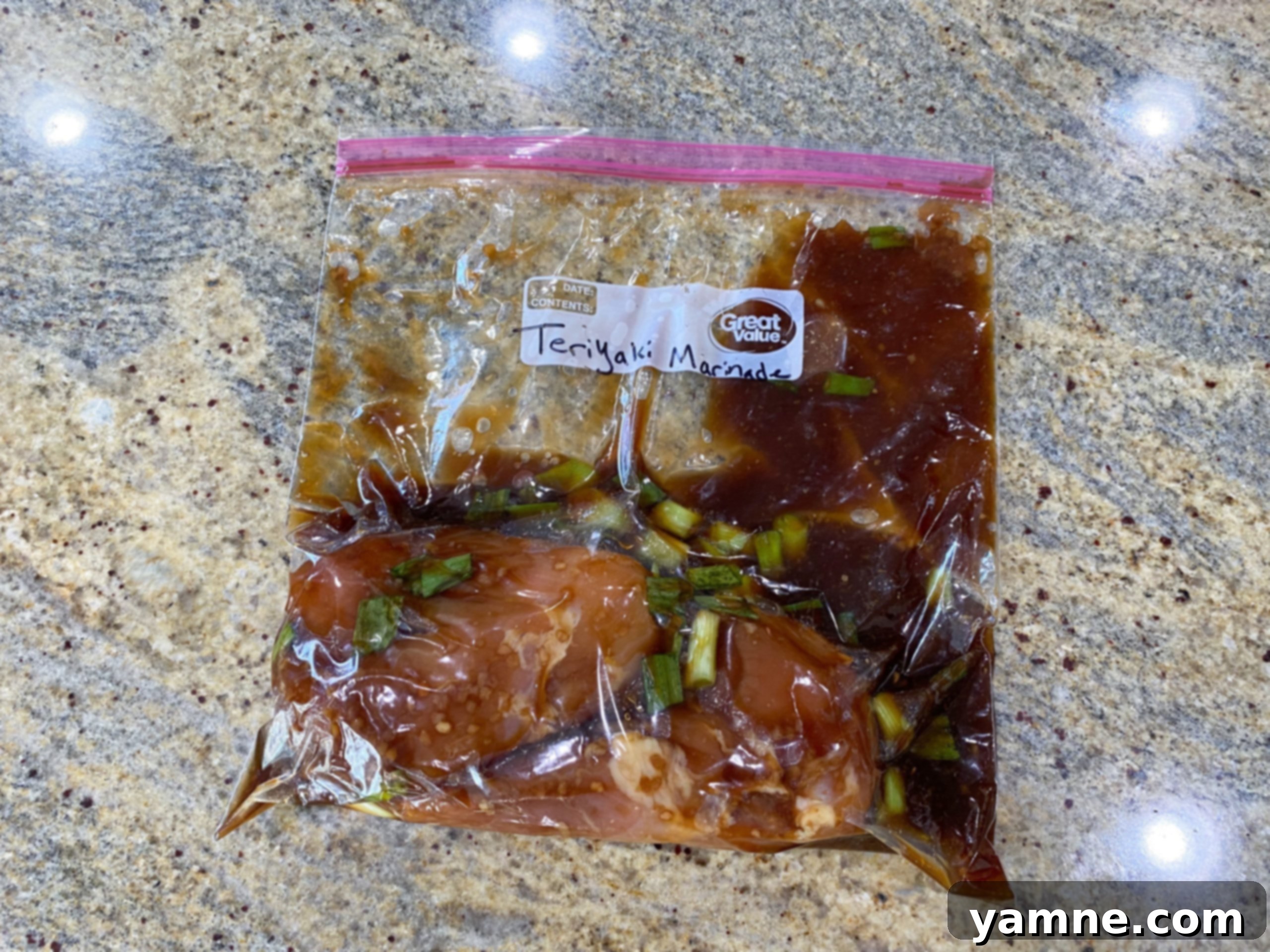
Mastering Homemade Teriyaki Chicken Marinade: Your Guide to Flavorful & Tender Chicken
Are you ready to elevate your chicken dinners from ordinary to extraordinary? Our homemade Teriyaki Chicken Marinade recipe is your ultimate secret weapon. Forget bland, store-bought sauces; this recipe delivers a perfect balance of sweet, savory, and umami flavors that will infuse your chicken with incredible taste and tenderness. Whether you’re planning a barbecue, a quick weeknight stir-fry, or a comforting baked meal, this versatile marinade is guaranteed to impress.
Teriyaki, a Japanese cooking method, involves grilling or broiling meat (especially fish or chicken) that has been marinated in a sweet soy sauce. The word “teriyaki” literally means “glaze-broiled”: teri (照り) refers to the shine or glaze imparted by the sugar in the tare (sauce), and yaki (焼き) refers to the cooking method of grilling or broiling. While traditionally involving a specific cooking technique, the flavors of teriyaki are now widely enjoyed as a marinade, bringing that iconic sweet-savory punch to a variety of dishes.
This recipe focuses on creating a robust marinade that not only flavors your chicken but also helps tenderize it, resulting in juicy, succulent pieces every time. It’s simple to prepare, uses everyday ingredients, and offers fantastic flexibility for different cooking methods. Get ready to transform your chicken into a memorable meal!
Teriyaki Chicken Marinade
By: Julia Pacheco
Teriyaki Chicken Marinade combines sweet and savory notes for flavorful, tender chicken that’s perfect for stir-fries or the grill. This simple yet powerful marinade will become a staple in your kitchen, ensuring delicious results with minimal effort.
Prep Time: 10 mins
Cook Time: 25 mins
Total Time: 35 mins
Servings: 4 servings
Pin Recipe
Comment
Print Recipe
Save this recipe!
Get this sent to your inbox, plus get new recipes from us every week!
Ingredients
- 1 lb chicken breast: Boneless, skinless chicken breasts are a lean protein choice. You can also use chicken thighs for a juicier, more forgiving result, especially when grilling or baking. Cut them into 1-inch thick pieces or leave them whole, depending on your preferred cooking method.
- ¼ cup water: Helps to dilute the marinade slightly, ensuring all the flavors blend perfectly without being too overpowering. It also aids in keeping the chicken moist.
- ¾ cup low sodium soy sauce: The foundation of our teriyaki flavor. Using low sodium soy sauce allows you to control the saltiness of the dish, preventing it from becoming too salty. If you only have regular soy sauce, you might want to reduce the amount slightly or add a bit more water.
- 2 green onions, sliced: Adds a fresh, mild onion flavor that brightens the marinade. The green parts also serve as a beautiful garnish after cooking.
- 1 tbs minced garlic: Fresh garlic is key for an aromatic and pungent flavor. Minced garlic infuses the chicken with its distinct taste, enhancing the overall savory profile.
- 1 tbs minced ginger: Ginger brings a warm, slightly spicy, and zesty kick that is essential to authentic teriyaki. Freshly minced ginger offers the best flavor.
- ⅓ cup brown sugar: Provides the classic sweetness and helps create that desirable caramelized glaze on the chicken as it cooks. Brown sugar also adds a subtle molasses note that complements the soy sauce.
Optional additions for enhanced flavor:
- 1 tablespoon rice vinegar: Adds a touch of acidity to balance the sweetness and savory notes, brightening the overall flavor profile.
- 1 teaspoon sesame oil: Imparts a nutty aroma and depth of flavor, giving your teriyaki an extra layer of richness. Add a dash towards the end of cooking or in the marinade.
- A pinch of red pepper flakes or sriracha: For those who enjoy a little heat, these additions can provide a subtle or bold spicy kick to your teriyaki chicken.
Instructions
-
Prepare the Marinade and Marinate the Chicken:
In a large bowl or a sturdy ziplock bag, combine all the marinade ingredients: water, low sodium soy sauce, sliced green onions, minced garlic, minced ginger, and brown sugar. Whisk or shake until the brown sugar is fully dissolved and all ingredients are well combined. Add the chicken breast pieces to the marinade, ensuring each piece is thoroughly coated. If using a bowl, cover it tightly with plastic wrap. Place the chicken in the refrigerator to marinate for a minimum of 2 hours, or up to 24 hours for maximum flavor infusion and tenderness. The longer it marinates, the more flavor the chicken will absorb.
-
Cook the Chicken:
There are several delicious ways to cook your marinated teriyaki chicken:
- Baking: Preheat your oven to 425°F (220°C). Arrange the marinated chicken in a single layer on a baking sheet lined with parchment paper for easy cleanup. Bake for 25-30 minutes, or until the chicken is cooked through and reaches an internal temperature of 165°F (74°C). For an extra golden crust, you can broil for the last 2-3 minutes, keeping a close eye to prevent burning.
- Grilling: Preheat your grill to medium-high heat. Lightly oil the grill grates to prevent sticking. Place the marinated chicken on the grill and cook for about 5-7 minutes per side, depending on thickness, until char marks appear and the internal temperature reaches 165°F (74°C).
- Pan-Frying / Stovetop: Heat 1-2 tablespoons of cooking oil (like vegetable or canola oil) in a large skillet or wok over medium-high heat. Add the chicken pieces in a single layer, making sure not to overcrowd the pan. Cook for 3-5 minutes per side, until golden brown and cooked through to 165°F (74°C). Cook in batches if necessary to ensure even browning.
- Stir-Frying: Cut the marinated chicken into bite-sized pieces. Heat 1-2 tablespoons of oil in a wok or large skillet over high heat. Add the chicken and stir-fry for 4-6 minutes until cooked through. You can then add your favorite stir-fry vegetables and a touch of the reserved marinade (boiled first) or fresh teriyaki sauce for a complete meal.
Always ensure the chicken reaches an internal temperature of 165°F (74°C) to be safely consumed. Use a meat thermometer for accuracy.
Prevent your screen from going dark
Tips for the Best Teriyaki Chicken
- Even Chicken Cuts: Ensure your chicken pieces are cut to a similar size and thickness. This promotes even cooking, so all pieces are done at the same time and none are overcooked or undercooked.
- Don’t Overcrowd the Pan/Grill: When cooking on the stovetop or grill, cook in batches if needed. Overcrowding lowers the temperature, steaming the chicken instead of searing it, which prevents that beautiful caramelized crust from forming.
- Internal Temperature is Key: The safest and most accurate way to know if your chicken is fully cooked is by using a meat thermometer. Insert it into the thickest part of the chicken, avoiding bones, until it reads 165°F (74°C).
- Rest the Chicken: After cooking, let the chicken rest for 5-10 minutes before slicing or serving. This allows the juices to redistribute throughout the meat, resulting in a more tender and moist chicken.
- Marinade Safety: Never reuse raw marinade that has been in contact with uncooked meat as a sauce unless it has been brought to a rolling boil for at least 5 minutes to kill any bacteria. For an extra sauce, prepare a separate batch of marinade ingredients and simmer it on the stovetop until thickened, or use a fresh batch for basting.
- Thicken the Sauce (Optional): If you desire a thicker teriyaki glaze, after removing the chicken from the pan, add a cornstarch slurry (1 tsp cornstarch mixed with 1 tbsp cold water) to any remaining marinade/juices in the pan. Simmer over medium heat, stirring constantly, until it thickens to your desired consistency.
Delicious Variations to Try
This teriyaki marinade is incredibly versatile. Don’t be afraid to experiment with these exciting variations:
- Spicy Teriyaki: Add 1-2 teaspoons of Sriracha sauce or a pinch of red pepper flakes to the marinade for a fiery kick.
- Gluten-Free Teriyaki: Simply swap out regular soy sauce for Tamari or a gluten-free soy sauce alternative. All other ingredients are naturally gluten-free.
- Honey Teriyaki: For a slightly different sweetness and a richer glaze, replace half or all of the brown sugar with honey or maple syrup.
- Citrus Boost: A squeeze of fresh orange juice or lime juice (1-2 tablespoons) can add a bright, tangy note to the marinade.
- Different Proteins: This marinade works wonders with other proteins too! Try it with salmon fillets, shrimp, pork tenderloin, beef strips, or even firm tofu for a vegetarian option. Adjust cooking times accordingly.
- Vegetable Teriyaki Stir-fry: Add your favorite stir-fry vegetables (broccoli, bell peppers, carrots, snap peas) during the last few minutes of cooking the chicken or in a separate wok, then combine with the cooked chicken and a fresh batch of thickened teriyaki sauce.
Serving Your Teriyaki Chicken
Teriyaki chicken is a complete meal on its own, but it truly shines when paired with complementary sides. Here are some popular serving suggestions:
- Steamed Rice: A classic pairing, white or brown rice perfectly soaks up the delicious teriyaki sauce.
- Noodles: Serve over udon noodles, soba noodles, or even simple ramen noodles for a hearty meal.
- Steamed or Roasted Vegetables: Broccoli, asparagus, green beans, or bell peppers make excellent healthy additions.
- Asian Salad: A fresh salad with a light vinaigrette can cut through the richness of the teriyaki.
- Cauliflower Rice: For a low-carb option, serve with cauliflower rice.
- Sesame Seeds: Garnish with toasted sesame seeds for added crunch and flavor.
- Extra Green Onions: A sprinkle of freshly sliced green onions adds color and a fresh bite.
Storage and Meal Prep
This teriyaki chicken recipe is excellent for meal prepping, ensuring you have delicious, ready-to-eat meals throughout the week.
- Storing Cooked Chicken: Leftover cooked teriyaki chicken can be stored in an airtight container in the refrigerator for up to 3-4 days.
- Freezing Cooked Chicken: For longer storage, cooked chicken can be frozen for up to 2-3 months. Allow it to cool completely, then transfer to a freezer-safe bag or container. Thaw in the refrigerator overnight before reheating.
- Freezing Marinated Chicken: You can also freeze raw chicken in its marinade! Place the chicken and marinade in a freezer-safe bag, squeeze out excess air, and freeze for up to 3 months. Thaw in the refrigerator for 24 hours before cooking as directed. This is a fantastic time-saver for busy weeknights!
- Reheating: Reheat cooked chicken in a skillet over medium heat, in the microwave, or in the oven at 350°F (175°C) until warmed through. Add a splash of water or broth if the chicken seems dry.
Frequently Asked Questions
- Can I use chicken thighs instead of breast?
- Absolutely! Chicken thighs are an excellent choice for teriyaki as they are juicier and tend to stay more tender, especially when grilling or baking. The cooking time might be slightly longer for thighs compared to breasts, so always check for an internal temperature of 165°F (74°C).
- How long should I marinate the chicken?
- A minimum of 2 hours is recommended to infuse good flavor. For the best results and maximum tenderness, marinate for 8-24 hours. Avoid marinating for more than 24 hours, especially with chicken breast, as the acidity in the marinade can start to break down the proteins too much, potentially making the chicken mushy.
- Can I make this marinade ahead of time?
- Yes, you can prepare the marinade ahead of time and store it in an airtight container in the refrigerator for up to 5 days. Then, simply add the chicken when you’re ready to marinate.
- Is this recipe gluten-free?
- This recipe, as written, is not gluten-free due to traditional soy sauce. To make it gluten-free, simply substitute low sodium soy sauce with a gluten-free Tamari or coconut aminos.
- How can I make the teriyaki sauce thicker?
- If you want a thicker sauce to drizzle over your cooked chicken, you can make a cornstarch slurry. After removing the cooked chicken, pour the remaining marinade (if any, ensure it’s been boiled if in contact with raw chicken) or a fresh batch of marinade into a small saucepan. Bring to a simmer. In a separate small bowl, whisk together 1 tablespoon of cornstarch with 2 tablespoons of cold water. Slowly whisk the slurry into the simmering sauce and cook, stirring constantly, until it thickens to your desired consistency. This can take 1-2 minutes.
Nutrition
Calories: 232kcal
Carbohydrates: 22g
Protein: 29g
Fat: 3g
Saturated Fat: 1g
Polyunsaturated Fat: 1g
Monounsaturated Fat: 1g
Trans Fat: 0.01g
Cholesterol: 73mg
Sodium: 1860mg
Potassium: 644mg
Fiber: 1g
Sugar: 18g
Vitamin A: 94IU
Vitamin C: 3mg
Calcium: 44mg
Iron: 1mg
Nutrition information is automatically calculated and should only be used as an approximation. Values may vary based on specific ingredients and preparation methods.
Tried this recipe?
Let us know how it was! Your feedback helps us improve and inspires other home cooks.