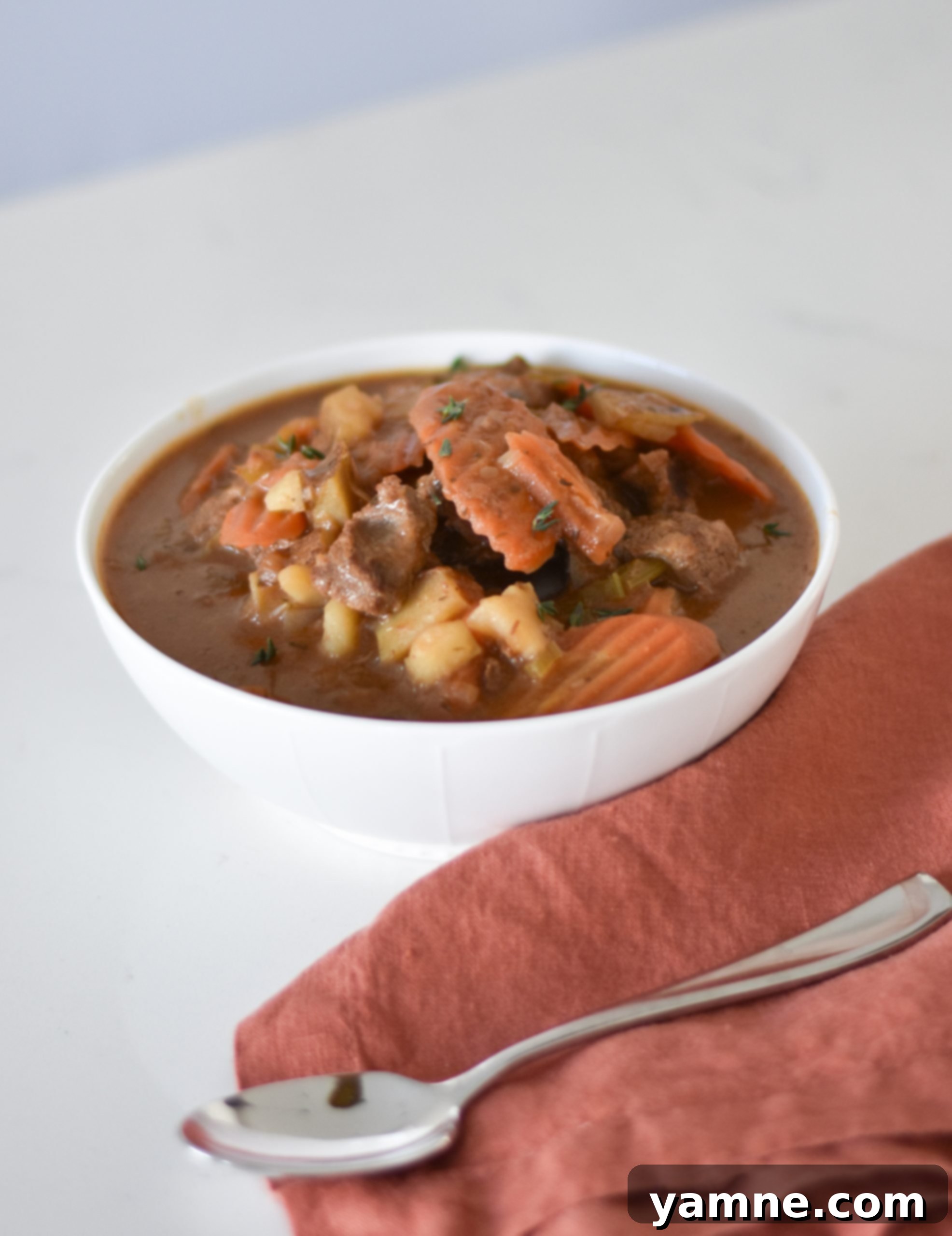
Classic Hearty Beef Stew: The Ultimate Comfort Food Recipe
There’s nothing quite like a steaming bowl of homemade beef stew to bring warmth and comfort on a chilly day. This timeless dish, renowned for its rich flavors and melt-in-your-mouth tender beef, has been a staple in kitchens around the world for generations. It’s more than just a meal; it’s an experience, a memory-maker, and the perfect way to gather loved ones around the table.
Our classic beef stew recipe is designed to deliver maximum flavor with minimal fuss, making it accessible for both seasoned cooks and beginners. We combine perfectly seasoned beef with a medley of wholesome vegetables, all slow-simmered in a savory gravy that thickens beautifully. The result is a deeply satisfying, incredibly flavorful stew that tastes like it’s been simmering all day, filling your home with an irresistible aroma.
What makes this particular recipe stand out? It’s the thoughtful balance of ingredients and straightforward steps that guarantee a consistently delicious outcome every time. From the initial sear of the beef to the gentle simmer that tenderizes the meat and vegetables, each step contributes to the stew’s depth and complexity. Whether you’re seeking a cozy dinner for your family, a comforting meal for guests, or simply a hearty dish to warm your soul, this beef stew is sure to become a beloved favorite in your culinary repertoire.
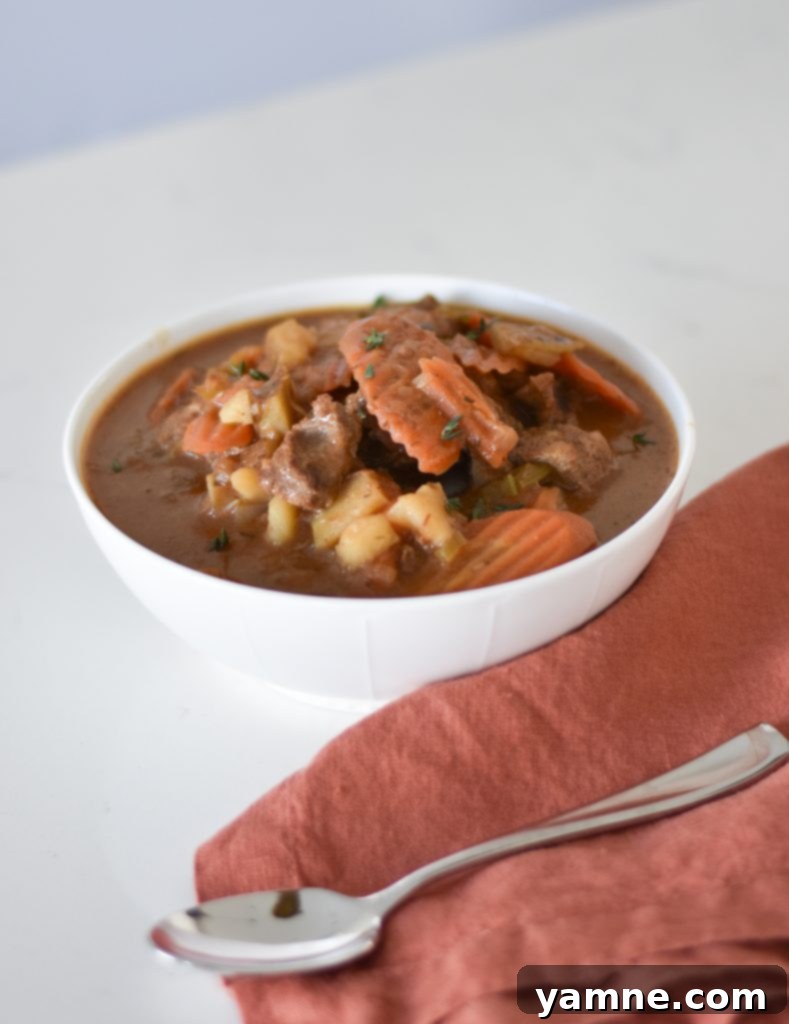

Beef Stew
Pin Recipe
Comment
Print Recipe
Ingredients
- 2 tbsp olive oil
- 1 ½ lbs beef stew meat, cubed
- 2 ½ tbsp all-purpose flour
- 1.5 oz packet McCormick Beef Stew Seasoning Mix
- 3 cups water
- 1 onion, diced
- 2 russet potatoes, peeled and cubed
- 2 sticks celery, sliced
- 2 large carrots, sliced
Instructions
- In a medium-sized bowl, combine the beef and the flour. Stir to coat the beef in the flour.
- In a Dutch oven or large pot over medium heat, add the oil. Once hot, add in the beef and sear on all sides.
- Add in the seasoning packet and 3 cups of water. Scrape the bits off the bottom of the pan. Bring to a boil, drop to a simmer, and let simmer, covered, for 45 minutes. Stir occasionally.
- Add the chopped vegetables to the pot and stir well. Simmer, covered, for an additional 30 minutes, or until the vegetables and meat are tender. Enjoy!
Video
Nutrition
Nutrition information is automatically calculated, so should only be used as an approximation.
Choosing Your Ingredients for the Perfect Stew
The secret to an exceptional beef stew lies in the quality of its ingredients and understanding how each component contributes to the overall flavor and texture. Here’s a closer look at what goes into this delicious meal:
- Beef Stew Meat: For the best results, opt for a cut like chuck roast, which is ideal for slow cooking. Its marbling and connective tissues break down beautifully over time, yielding incredibly tender, flavorful results. Cubing it uniformly ensures even cooking.
- All-Purpose Flour: This serves a dual purpose. First, it helps to create a beautiful crust when searing the beef, locking in juices and adding depth of flavor. Second, it acts as a thickening agent for the rich gravy, giving the stew its characteristic hearty consistency.
- McCormick Beef Stew Seasoning Mix: While you can certainly create your own blend of herbs and spices, a good quality seasoning mix offers convenience and a consistently delicious flavor profile. Typically, these mixes contain a balanced blend of salt, pepper, garlic powder, onion powder, paprika, and herbs like thyme or bay leaf.
- Olive Oil: Used for searing the beef and sautéing the aromatics. Its high smoke point and mild flavor make it perfect for this application, contributing to the overall richness.
- Water: The primary liquid for the stew. While beef broth can be used for an even deeper flavor, using water with a good seasoning mix allows the natural flavors of the beef and vegetables to shine through.
- Onion, Russet Potatoes, Celery, Carrots: These classic stew vegetables are essential. Onions provide an aromatic base, potatoes lend starchiness and absorb flavors, while carrots and celery add sweetness, texture, and a foundational savory note. Ensure they are cut into similarly sized pieces for even cooking. Russet potatoes are preferred for their starchy texture, which helps to thicken the stew slightly as they break down.
Mastering the Method: Tips for Success
Following the instructions carefully will lead to a perfect beef stew. However, a few extra tips can elevate your cooking experience and ensure a truly exceptional dish:
- Coat the Beef Thoroughly: When combining beef and flour, make sure each piece is well-coated. This is crucial for achieving a proper sear and for effectively thickening the stew later.
- Don’t Crowd the Pot: When searing the beef, work in batches if necessary. Crowding the pot will steam the meat instead of searing it, preventing that crucial flavorful browning. A good sear develops the Maillard reaction, which adds incredible depth to your stew.
- Scrape the Pan: After searing the beef and adding the liquid, make sure to scrape all the browned bits (fond) from the bottom of the pot. These flavorful morsels are essential for building a rich, savory gravy.
- Low and Slow is Key: Beef stew benefits immensely from a long, gentle simmer. This allows the tough connective tissues in the beef to break down, resulting in fork-tender meat and a harmonious blend of flavors. Don’t rush this process.
- Stir Occasionally: While simmering, occasional stirring prevents anything from sticking to the bottom of the pot and ensures even cooking of all ingredients.
- Add Vegetables at the Right Time: Adding the hardier vegetables like potatoes and carrots partway through the cooking process ensures they become tender without turning mushy. They need less cooking time than the beef.
- Adjust Seasoning: Always taste your stew before serving and adjust salt and pepper as needed. Different seasoning mixes have varying salt levels, so trust your palate.
Delicious Variations and Customizations
While this classic beef stew recipe is perfect as is, it’s also wonderfully adaptable. Feel free to experiment with these variations to suit your taste or what you have on hand:
- Herbs: For an extra aromatic boost, add a sprig of fresh rosemary or a few sprigs of fresh thyme along with the seasoning mix and water. A bay leaf is also a classic addition for depth.
- Liquid Base: Instead of water, you can use beef broth or stock for a richer base. For a gourmet touch, consider adding a cup of dry red wine (like Cabernet Sauvignon or Merlot) to the liquid for added complexity and depth of flavor. A dark beer can also lend a unique, malty undertone.
- Additional Vegetables: Feel free to incorporate other root vegetables like parsnips or rutabaga, or add mushrooms for an earthy flavor. Frozen peas or corn can be stirred in during the last 10 minutes of simmering for a pop of color and sweetness.
- Spice It Up: If you like a hint of heat, a pinch of red pepper flakes added with the seasoning mix can give the stew a subtle kick.
- Thickening Options: If you prefer a thicker gravy, you can create a slurry by mixing 1-2 tablespoons of cornstarch with an equal amount of cold water, then stirring it into the simmering stew during the last 10-15 minutes of cooking until it reaches your desired consistency.
What to Serve with Your Hearty Beef Stew
This beef stew is a complete meal in itself, but it pairs wonderfully with a variety of sides that complement its rich flavors:
- Crusty Bread: A warm loaf of crusty bread or a baguette is perfect for soaking up every last drop of the delicious gravy.
- Mashed Potatoes: Creamy mashed potatoes make an excellent accompaniment, offering a smooth contrast to the chunky stew.
- Rice or Noodles: Serve the stew over a bed of fluffy white rice, brown rice, or egg noodles for another comforting option.
- Green Salad: A simple, crisp green salad with a vinaigrette dressing can provide a refreshing counterpoint to the richness of the stew.
Storage and Reheating Instructions
Beef stew is one of those magical dishes that often tastes even better the next day as the flavors have more time to meld. Here’s how to store and reheat your leftovers:
- Refrigeration: Allow the stew to cool completely, then transfer it to an airtight container. It will keep well in the refrigerator for up to 3-4 days.
- Freezing: Beef stew freezes exceptionally well. Once cooled, transfer portions into freezer-safe containers or heavy-duty freezer bags. It can be stored in the freezer for up to 2-3 months. Thaw overnight in the refrigerator before reheating.
- Reheating: For best results, reheat the stew gently on the stovetop over medium-low heat, stirring occasionally, until it is heated through. You may need to add a splash of water or broth if it has thickened too much. Alternatively, you can reheat individual portions in the microwave.
Frequently Asked Questions (FAQs) About Beef Stew
- What kind of beef is best for stew?
- Chuck roast, sometimes labeled as beef for stew, is generally the best choice. It’s a tougher cut with good marbling and connective tissue that breaks down beautifully when cooked slowly, becoming incredibly tender and flavorful.
- Why is my beef tough?
- Tough beef is usually a sign that it hasn’t been cooked long enough. Beef stew meat needs ample time to simmer slowly for the connective tissues to dissolve, resulting in tender meat. Don’t rush the cooking process.
- How can I thicken my beef stew?
- In this recipe, flour coated on the beef helps thicken the stew. If you desire a thicker gravy, you can make a cornstarch slurry (mix 1-2 tablespoons cornstarch with equal cold water) and stir it into the simmering stew during the last 10-15 minutes of cooking. Another option is to remove some of the cooked potatoes, mash them, and stir them back into the stew.
- Can I make this stew in a slow cooker or Instant Pot?
- Yes, this recipe can be adapted. For a slow cooker, sear the beef on the stovetop first (highly recommended for flavor), then combine all ingredients in the slow cooker and cook on low for 6-8 hours or on high for 3-4 hours, adding vegetables in the last 1-2 hours. For an Instant Pot, use the Sauté function to sear the beef, then add other ingredients (adjust liquid if needed) and pressure cook according to your Instant Pot’s instructions for beef stew (typically 35-45 minutes with natural release).
- How long does beef stew last in the refrigerator?
- Properly stored in an airtight container, beef stew will last for 3-4 days in the refrigerator.
- Can I add other vegetables?
- Absolutely! Beef stew is very versatile. Feel free to add parsnips, turnips, mushrooms, or green beans. Just be mindful of their cooking times; softer vegetables like peas or corn should be added closer to the end.
Enjoy Your Homemade Comfort!
This classic hearty beef stew recipe is more than just a meal; it’s a culinary journey into comfort and tradition. With tender beef, wholesome vegetables, and a rich, savory sauce, it’s designed to be a satisfying experience for everyone at your table. We encourage you to try this recipe and make it your own, adjusting flavors and ingredients to suit your personal taste. Share the warmth, enjoy the process, and savor every spoonful of this timeless classic.
Happy cooking!