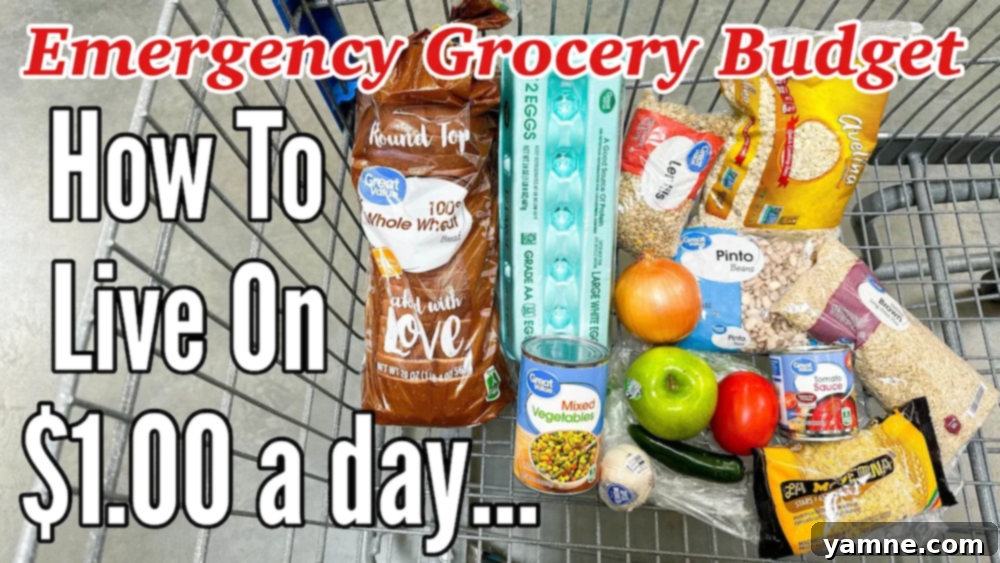
Eating on a Dollar a Day: A Comprehensive Guide to Budget-Friendly Meal Planning
Living on a tight budget can be challenging, especially when it comes to food. The cost of groceries seems to constantly rise, making it difficult to maintain a healthy and balanced diet. However, it is possible to eat well even when resources are limited. This guide explores how to create a nutritionally sound and satisfying meal plan on just a dollar a day, transforming the way you think about budget-friendly eating. This isn’t just about surviving; it’s about thriving, even with minimal financial resources.
The Dollar-a-Day Challenge: Is It Possible?
The idea of eating for a dollar a day might seem daunting, even impossible, at first glance. Many people associate budget eating with unhealthy, processed foods lacking essential nutrients. However, with careful planning and smart shopping strategies, it’s entirely achievable to create meals that are both affordable and nourishing. The key is to focus on whole, unprocessed foods that offer the most nutritional value for the lowest price.
Key Principles of Dollar-a-Day Eating
- Prioritize Whole Foods: Focus on ingredients like beans, lentils, rice, oats, and seasonal vegetables. These staples are incredibly affordable and provide essential vitamins, minerals, and fiber.
- Bulk Buying: When possible, purchase dry goods in bulk to save money. Items like rice, beans, and lentils have a long shelf life and can significantly reduce your per-meal cost.
- Meal Planning: Create a detailed meal plan before you go shopping to avoid impulse purchases and ensure you’re only buying what you need.
- Reduce Food Waste: Use leftovers creatively and store food properly to prevent spoilage. Composting food scraps can also minimize waste and enrich your garden soil.
- Embrace Simple Cooking: Opt for simple recipes with minimal ingredients to save time and money.
Creating a $10 Grocery List for a Week
Let’s break down how to create a grocery list for just $10 that will provide enough food for an entire week. This list focuses on filling, nutrient-dense foods that can be prepared in various ways to avoid monotony. Remember that prices can vary depending on your location and the availability of sales and discounts. This is a sample list and might need to be adjusted based on your local market prices.
Sample Grocery List (Approximate Prices)
- Dried Beans (1 lb): $1.50 – A fantastic source of protein and fiber, beans are incredibly versatile and can be used in soups, stews, salads, and more.
- Lentils (1 lb): $1.25 – Similar to beans, lentils are packed with nutrients and are easy to cook. They can be used in soups, curries, or as a meat substitute.
- Brown Rice (2 lbs): $2.00 – A whole grain that provides sustained energy and fiber. Brown rice is a staple for many budget-friendly meals.
- Oats (1 lb): $1.00 – A healthy and affordable breakfast option. Oats are rich in fiber and can be customized with various toppings.
- Potatoes (5 lbs): $2.00 – A versatile and filling vegetable that can be boiled, baked, mashed, or fried.
- Onions (1 lb): $0.75 – An essential ingredient for adding flavor to many dishes.
- Carrots (1 lb): $0.75 – A nutritious and affordable vegetable that can be eaten raw or cooked.
- Canned Tomatoes (1 can): $0.75 – A versatile ingredient for sauces, soups, and stews.
Total: $10.00
A Sample Dollar-a-Day Meal Plan
Here’s a sample meal plan based on the grocery list above. This plan provides a variety of meals that are both filling and nutritious. Feel free to adjust the plan based on your preferences and dietary needs.
Day 1
- Breakfast: Oatmeal with water and a pinch of salt.
- Lunch: Lentil soup with carrots and onions.
- Dinner: Brown rice with beans and sautéed onions.
Day 2
- Breakfast: Oatmeal with water.
- Lunch: Bean and potato stew.
- Dinner: Lentil and rice casserole.
Day 3
- Breakfast: Oatmeal with water and a pinch of salt.
- Lunch: Leftover lentil and rice casserole.
- Dinner: Baked potatoes with beans and onions.
Day 4
- Breakfast: Oatmeal with water.
- Lunch: Bean soup with carrots and onions.
- Dinner: Brown rice with lentils and canned tomatoes.
Day 5
- Breakfast: Oatmeal with water and a pinch of salt.
- Lunch: Leftover brown rice with lentils and canned tomatoes.
- Dinner: Potato and bean tacos (using potatoes as the “shell”).
Day 6
- Breakfast: Oatmeal with water.
- Lunch: Lentil soup with potatoes and carrots.
- Dinner: Brown rice and bean salad with onions and carrots.
Day 7
- Breakfast: Oatmeal with water and a pinch of salt.
- Lunch: Leftover brown rice and bean salad.
- Dinner: Potato and lentil curry.
Tips for Maximizing Your Dollar-a-Day Budget
While the meal plan above provides a solid foundation, here are some additional tips to help you maximize your budget and ensure you’re getting the most out of your dollar a day:
- Find Free Food Resources: Check for local food banks, soup kitchens, and community gardens that offer free or low-cost food.
- Grow Your Own Food: Even a small garden can provide fresh vegetables and herbs, reducing your grocery bill.
- Forage for Edible Plants: Learn about edible plants in your area and forage for free food in a sustainable way.
- Cook in Bulk: Cooking large batches of food and freezing leftovers can save time and money.
- Reduce Meat Consumption: Meat is often the most expensive item on a grocery list. Reducing or eliminating meat from your diet can significantly lower your food costs.
- Drink Water: Avoid sugary drinks and juices, which can be expensive and unhealthy. Water is the best and most affordable beverage.
- Plan for Snacks: Include healthy snacks like fruits, vegetables, or nuts in your meal plan to avoid unhealthy impulse purchases. A handful of peanuts can add needed protein and healthy fats, even if not on the above list, finding substitutes is important.
- Don’t Be Afraid to Ask for Help: If you’re struggling to afford food, don’t hesitate to reach out to family, friends, or local organizations for assistance.
The Importance of Nutritional Balance
While affordability is crucial, it’s equally important to ensure your diet is nutritionally balanced. Focus on incorporating a variety of food groups, including protein, carbohydrates, healthy fats, vitamins, and minerals. If possible, supplement your diet with a multivitamin to address any potential nutrient deficiencies.
Eating on a dollar a day requires creativity, discipline, and a commitment to smart planning. It’s not always easy, but it is possible to create nutritious and satisfying meals even with limited resources. By following the tips and meal plan outlined in this guide, you can take control of your food budget and prioritize your health, regardless of your financial situation. This approach is about empowering yourself to make informed choices and build a sustainable, healthy lifestyle, one dollar at a time.