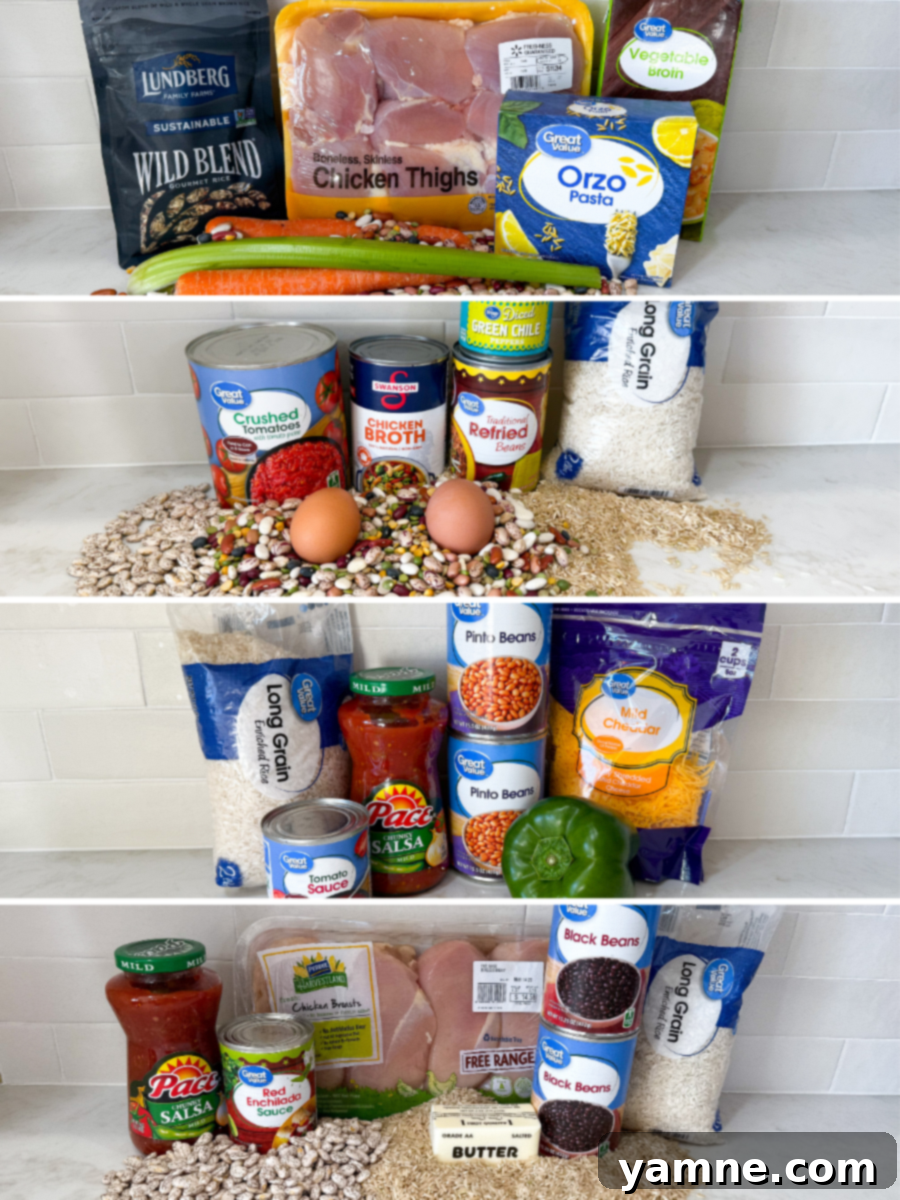
12 Delicious & Budget-Friendly Rice and Bean Recipes: Easy Meals & Ideas
Welcome, cooking enthusiasts! I’m thrilled to share 12 incredible rice and bean recipes that will revolutionize your meal planning. Get ready to explore a world of flavors, textures, and nutritional benefits with these versatile dishes. Whether you’re craving a comforting casserole, a soul-warming soup, or a quick and easy one-pan creation, this collection offers something to satisfy every palate.
Rice and beans are true kitchen heroes. Not only are they incredibly affordable, but they’re also exceptionally versatile and packed with nutrients. These pantry staples form the backbone of countless cuisines around the globe and, when combined, provide a complete protein source. This makes them an ideal choice for budget-conscious individuals, vegetarians, and anyone seeking wholesome, satisfying meals. Plus, their ease of preparation, adaptability to diverse flavors, and suitability for meal prepping make them indispensable ingredients in any modern kitchen.
Are you on the hunt for quick and easy weeknight dinners? Yearning for comforting slow cooker meals? Or perhaps you’re eager to explore flavor-packed recipes inspired by global cuisines? Look no further! Keep reading to uncover 12 must-try rice and bean recipes that will bring warmth, nourishment, and joy to your dining table.
Why Cook with Rice and Beans?
The combination of rice and beans is a culinary classic, celebrated across cultures for its simplicity, affordability, and nutritional completeness. Together, they create a complete protein, providing all the essential amino acids your body needs. This makes them a stellar choice for vegetarian diets and for anyone looking to reduce their meat consumption without sacrificing protein intake. Furthermore, rice and beans are brimming with fiber, essential vitamins, and minerals, offering a powerhouse of nutritional benefits. Their versatility allows them to seamlessly adapt to a wide range of flavors and cooking techniques, making them a delight to experiment with in the kitchen.
The Budget-Friendly Magic of Rice and Beans
One of the most compelling reasons to embrace rice and beans is their remarkable affordability. These ingredients are among the most budget-friendly staples you can stock in your pantry. A substantial bag of rice and a collection of canned (or bulk-bought) beans can stretch across numerous meals, making them an invaluable asset for families, students, and anyone aiming to minimize their grocery expenses.
Why are rice and beans so cost-effective?
- Extended Shelf Life: Stock up when they’re on sale and store them for months without worry. Dry beans and rice have a naturally long shelf life when properly stored.
- Nutrient Density: Obtain protein, fiber, and vital vitamins at a fraction of the cost of meat-based meals. This makes them an economical way to nourish your body.
- Versatility: They harmonize beautifully with a multitude of flavors, seasonings, and proteins, allowing you to craft endless meals without experiencing culinary monotony. Think of the possibilities!
- Ideal for Batch Cooking: Prepare a large quantity and utilize it throughout the week to save both time and money. Batch cooking is a lifesaver for busy schedules and tight budgets.
Whether you’re preparing a feast for a crowd or diligently meal-prepping on a budget, these rice and bean recipes will empower you to create delicious, satisfying meals without straining your finances. They are a testament to the fact that you don’t need to compromise on taste or nutrition to stay within budget.

I’m Julia Pacheco, a published cookbook author and food creator with a deep passion for crafting delicious, budget-friendly meals that foster connection and bring people together. From my early days learning to cook alongside my mom to navigating life with the support of WIC and food stamps, I understand the true value of ensuring every meal counts.
If you’re new or just discovering my page, I’d love to connect! Learn more about my personal journey and unwavering love for cooking here: Julia Pacheco’s About Me Page
How to Customize These Recipes
The beauty of rice and bean recipes lies in their adaptability. Feel free to experiment and personalize these dishes to suit your individual preferences and dietary needs. Here are a few suggestions to get you started:
- Bean Swaps: Substitute black beans, pinto beans, chickpeas, kidney beans, or lentils based on your taste preferences and what you have on hand. Each type of bean brings a unique flavor and texture to the dish.
- Rice Variations: White rice, brown rice, wild rice, or even cauliflower rice can be used depending on the recipe and your nutritional goals. Brown rice offers a nuttier flavor and higher fiber content, while cauliflower rice provides a lower-carb alternative.
- Protein Additions: While these recipes are delicious as vegetarian options, you can easily add chicken, beef, shrimp, sausage, tofu, or tempeh for an extra boost of protein and flavor.
- Spice Level Adjustments: Tailor the seasoning to your liking by adding more or less chili flakes, fresh herbs, hot sauce, or your favorite spices. Don’t be afraid to experiment with different flavor combinations to create a truly unique dish.
Storing & Meal Prep Tips
Rice and bean dishes are fantastic for meal prepping, as they store well and can be easily reheated. Here are some helpful tips for storing and preparing these meals in advance:
- Refrigeration: Most rice and bean dishes will keep well in the refrigerator for up to 5 days when stored in an airtight container. This makes them ideal for packing lunches or having a quick and easy dinner option ready to go.
- Freezing: Many of these meals can be frozen for up to 3 months. Simply thaw them in the refrigerator overnight and reheat them in the microwave or on the stovetop for a convenient meal anytime. Be sure to use freezer-safe containers or bags to prevent freezer burn.
- Batch Cooking Advantage: Prepare extra rice and beans ahead of time to have a versatile meal base ready for various dishes throughout the week. Cooked rice and beans can be stored separately and combined with different sauces, vegetables, and proteins to create a variety of meals.
Watch These Easy & Delicious Bean and Rice Recipes Come to Life!
12 Must-Try Rice & Bean Recipes:
Here’s a mouthwatering selection of 12 rice and bean recipes that are sure to become staples in your kitchen. Each recipe offers a unique flavor profile and cooking style, showcasing the incredible versatility of these humble ingredients. Click on the links to access the full recipes and detailed instructions.
Spanish Rice with Pinto Beans
Chicken and Wild Rice Casserole
Chicken Black Bean and Rice Casserole
One-Pot Mexican Quinoa
Mexican Beef and Rice Skillet
No Peek Pork Chop Casserole
Tamale Casserole
Ground Turkey and Rice Skillet
Easy Chicken Fried Rice
Italian Chicken and Rice
Chicken and Rice Casserole with Broccoli
Black Bean Enchilada Casserole
Frequently Asked Questions About Cooking Rice
1. How do I make fluffy rice every time?
Achieving perfectly fluffy rice is easier than you think! The key is to remove excess starch by rinsing the rice under cold water until the water runs clear. Then, cook it with the right water-to-rice ratio (usually 2:1 for white rice) and resist the urge to lift the lid while it’s simmering. Once cooked, let it rest, covered, for a few minutes before gently fluffing it with a fork. This allows the steam to redistribute and prevents the rice from becoming sticky.
2. What is the best type of rice for different recipes?
Choosing the right type of rice can elevate your dishes to new heights. Here’s a quick guide:
- Long-grain rice (like basmati or jasmine): Ideal for pilafs, stir-fries, and dishes where you want the grains to remain separate and distinct. They have a light, fluffy texture and a delicate aroma.
- Short-grain rice (like sushi rice): Perfect for sticky rice dishes, such as sushi rolls and rice balls. It has a higher starch content, which gives it a characteristic stickiness.
- Brown rice: A nutritious and wholesome alternative with a nutty flavor and chewy texture. It takes longer to cook than white rice but is packed with fiber and nutrients.
- Wild rice: Not actually rice, but a type of grass seed, it adds a unique texture and nutty flavor to soups, casseroles, and salads. It’s also a good source of protein and fiber.
3. Why is my rice either mushy or too dry?
Rice that’s either too mushy or too dry can be frustrating, but it’s usually a simple fix. Here’s what might be happening:
- Mushy rice: This usually indicates that you’ve used too much water or overcooked the rice. Try reducing the amount of liquid slightly next time. If it’s already mushy, you can try spreading it out on a baking sheet to allow some of the moisture to evaporate.
- Dry rice: This suggests that you haven’t used enough water or haven’t cooked the rice long enough. Add a splash of water to the pot, cover it tightly, and steam for a few more minutes until the water is absorbed and the rice is tender.
4. Can I cook rice in the Instant Pot or slow cooker?
Absolutely! Both Instant Pots and slow cookers are great for cooking rice, although they work best for different types of recipes.
Instant Pots excel at cooking plain rice perfectly every time, thanks to their precise water control and pressure cooking capabilities. Simply follow the manufacturer’s instructions for your particular model.
Slow cookers are ideal for recipes that include rice with other ingredients, such as casseroles, soups, and stews. The slow, gentle cooking process allows the flavors to meld together beautifully.
5. How can I add more flavor to my rice dishes?
Plain rice can be a bit bland, but there are countless ways to infuse it with flavor. Here are a few ideas:
Instead of water, cook rice in broth or stock (chicken, vegetable, or beef) for added depth and richness. This is a simple way to elevate the flavor of your rice.
Stir in aromatics like minced garlic, chopped onions, or diced vegetables (carrots, celery, peppers) while cooking for extra flavor and texture. You can also add spices like turmeric, cumin, coriander, or paprika to complement your dish.
Consider adding a bay leaf or a sprig of fresh herbs (thyme, rosemary, oregano) to the cooking water for a subtle but noticeable flavor boost. Remember to remove them before serving.
Frequently Asked Questions About Cooking Beans
1. Should I soak dry beans before cooking them?
Soaking dry beans overnight (or for at least 8 hours) is generally recommended, as it helps to reduce cooking time and makes them easier to digest by breaking down complex sugars that can cause gas. However, if you’re short on time, you can use the quick soak method: boil the beans for 2 minutes, then remove them from the heat and let them sit for an hour before cooking. This method is also effective at reducing cooking time and improving digestibility.
2. How do I cook dry beans from scratch?
Cooking dry beans from scratch is a rewarding experience that allows you to control the flavor and texture of your beans. Here’s a basic guide:
- Rinse the beans thoroughly under cold water to remove any debris or damaged beans.
- Soak the beans (if desired) according to the instructions above.
- Place the beans in a large pot and cover them with fresh water or broth (about 3 cups of liquid per cup of beans).
- Add seasonings such as salt, pepper, garlic powder, onion powder, or bay leaf.
- Bring the mixture to a boil, then reduce the heat to a simmer, cover the pot, and cook for 1-2 hours, or until the beans are tender. Cooking times will vary depending on the bean type and whether they were soaked.
3. Can I cook beans in the Instant Pot or slow cooker?
Yes! Both the Instant Pot and the slow cooker are excellent tools for cooking beans.
The Instant Pot can cook dry beans in about 30-45 minutes without soaking, making it a super-convenient option for busy weeknights. Follow the manufacturer’s instructions for cooking beans in your specific model.
Slow cookers are also great for cooking beans, but they typically take 6-8 hours on low heat. This method is ideal for recipes where you want the beans to be exceptionally tender and flavorful.
4. How do I make canned beans taste even better?
While canned beans are convenient, they can sometimes taste a bit bland. Here are a few tips to elevate their flavor:
- Drain and rinse the canned beans thoroughly to remove any excess salt and starchy liquid.
- Sauté the beans with onions, garlic, and spices in a skillet or pot for a few minutes to infuse them with flavor.
- Simmer the beans in broth (chicken, vegetable, or beef) for a richer, more complex taste.
- Add a squeeze of lemon or lime juice to brighten the flavor and balance the richness.
5. Why are my beans still hard even after cooking?
If your beans remain hard after cooking, there are a few possible reasons:
- The beans might be old and have lost some of their moisture. Try using fresher beans next time.
- They might need more cooking time. Continue simmering them until they are tender.
- Adding acidic ingredients (like tomatoes, vinegar, or lemon juice) too early in the cooking process can prevent the beans from softening. Add these ingredients towards the end of the cooking time.
- Hard water can also inhibit the softening of beans. If you have hard water, consider using filtered water or adding a pinch of baking soda to the cooking water.
6. Can I freeze cooked beans for later use?
Yes, you can definitely freeze cooked beans for later use. Allow them to cool completely, then store them in freezer-safe bags or containers with a little bit of the cooking liquid to prevent them from drying out. Cooked beans can be stored in the freezer for up to 3 months.
Join the Conversation!
Which rice and bean recipe are you most excited to try first? Share your thoughts and ideas in the comments below! Don’t forget to tag me on Instagram @julia.pacheco.cooking with your culinary creations! I’d love to see what you’re cooking up.
If you’re looking for even more easy and delicious meal ideas, be sure to explore my blog for additional recipes and subscribe to my YouTube channel for step-by-step cooking tutorials. Let’s get cooking together!
Happy Cooking!