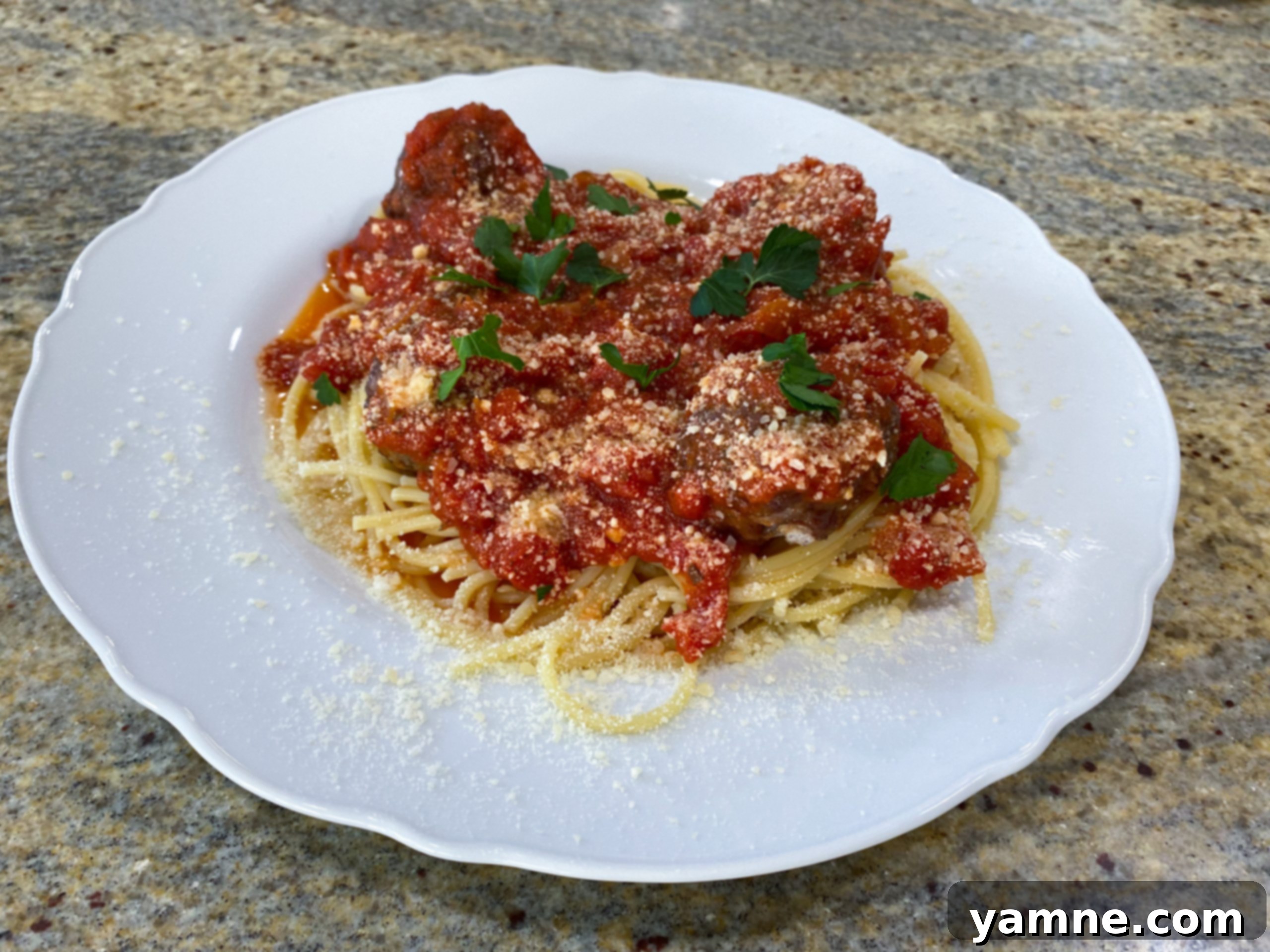
Easy & Freezable Homemade Marinara Sauce: A Bulk Recipe Guide for Meal Prep
There’s nothing quite like the comforting aroma and taste of a rich, homemade marinara sauce. Forget store-bought jars filled with preservatives and excess sugar; making your own from scratch is a game-changer. This recipe isn’t just about crafting a delicious sauce; it’s designed for efficiency, allowing you to prepare a large batch that can be frozen and enjoyed anytime you need a quick, wholesome meal. Say goodbye to last-minute dinner stress and hello to flavorful convenience!
No ratings yet
Homemade Bulk Marinara Sauce – Freezer Meal
By: Julia Pacheco
Rich, slow-simmered marinara sauce made from scratch is perfect for freezing in batches. You’ll have a delicious, homemade pasta sauce ready anytime you need it.
Prep: 10 mins
Cook: 1 hr
Total: 1 hr 10 mins
Servings: 16 servings
Save Recipe
Pin Recipe
Comment
Print Recipe
Ingredients
Adjust servings:
- 3 tbs olive oil
- 2 white onions, diced
- 2 tbs minced garlic
- 6 oz tomato paste
- 56 oz crushed tomatoes
- 56 oz diced tomatoes
- 1.5 tbs dried oregano
- 1.5 tbs dried basil
- 1 tbs dried parsley
- 1 tbs salt
- 2 bay leaves
- 1-2 tsp pepper (adjust to taste)
- 2 tbs brown sugar
Instructions
- To a large Dutch oven or heavy-bottomed pot, add the olive oil. Once the oil is hot over medium heat, add the diced onions. Sauté the onions for 7-8 minutes, stirring occasionally, until they become soft and translucent. This step is crucial for building a flavorful base. Stir in the minced garlic and cook for another minute until fragrant, being careful not to burn it.
- Add the remaining ingredients to the pot: tomato paste, crushed tomatoes, diced tomatoes, dried oregano, dried basil, dried parsley, salt, bay leaves, pepper, and brown sugar. Stir everything together until well combined.
- Bring the sauce to a gentle simmer over medium heat. Once simmering, reduce the heat to low, cover the pot, and let it simmer for 30-60 minutes. The longer it simmers, the more the flavors will meld and deepen. Stir occasionally to prevent sticking.
- Taste and adjust seasoning as needed. Remove the bay leaves before serving. Enjoy the sauce immediately with your favorite pasta, or proceed to the freezing steps below for future meals.
To Make Into Freezer Meals:
- Allow the marinara sauce to cool down completely to room temperature before freezing. This prevents condensation and helps maintain quality.
- Divide the cooled sauce into 3-cup portions. Place each portion into separate freezer-safe bags. For best results, lay the bags flat on a baking sheet to freeze. This allows for easier stacking and quicker thawing later.
- When ready to use, remove a bag of frozen sauce from the freezer. Thaw it in the refrigerator overnight or by placing the sealed bag under cold running water until you can break it apart.
- Transfer the thawed or partially frozen sauce to a pot. Simmer over medium-low heat for about 10 minutes, stirring frequently, until the sauce is thoroughly heated through. Serve hot and enjoy!
Nutrition
Calories: 96kcal | Carbohydrates: 17g | Protein: 3g | Fat: 3g | Saturated Fat: 0.5g | Polyunsaturated Fat: 0.5g | Monounsaturated Fat: 2g | Sodium: 663mg | Potassium: 631mg | Fiber: 4g | Sugar: 10g | Vitamin A: 507IU | Vitamin C: 22mg | Calcium: 92mg | Iron: 3mg
Nutrition information is automatically calculated and should only be used as an approximation.
Why Make Homemade Marinara Sauce in Bulk?
Embracing the art of making homemade marinara sauce in bulk offers a myriad of benefits that extend far beyond just a delicious meal. First and foremost, the flavor profile of a slow-simmered, homemade sauce is unparalleled. You control every ingredient, ensuring a fresher, more vibrant taste that simply cannot be replicated by store-bought alternatives. By selecting high-quality tomatoes and fresh aromatics, you elevate the depth and richness of your sauce, transforming an ordinary pasta dish into a culinary experience.
From a practical standpoint, bulk cooking is a fantastic strategy for meal planning and saving time during busy weeknights. Imagine coming home after a long day and having a freezer full of ready-to-use, wholesome marinara sauce. This eliminates the need for last-minute cooking decisions and prevents resorting to less healthy takeout options. It’s a proactive approach to healthy eating that puts you in charge of your family’s meals.
Moreover, preparing your own marinara is significantly more cost-effective. Buying canned tomatoes, onions, garlic, and dried herbs in larger quantities is often cheaper than purchasing pre-made sauces, especially specialty or organic brands. This recipe, yielding 16 servings, demonstrates how a single cooking session can provide multiple meals, maximizing your grocery budget and reducing food waste.
Lastly, homemade sauce provides peace of mind. You know exactly what goes into your food, avoiding unwanted additives, excessive sodium, or hidden sugars often found in commercial products. This makes it an excellent choice for those with dietary restrictions or anyone looking to maintain a cleaner, healthier diet. It’s truly a win-win for taste, health, and convenience.
Essential Ingredients and Smart Substitutions
The beauty of marinara lies in its simplicity, but the quality of your ingredients makes all the difference. Let’s explore the core components of this recipe and some smart substitutions to fit your preferences or what you have on hand.
- Tomatoes: This recipe calls for both crushed and diced tomatoes, offering a balance of smooth texture and chunky bits. For the best flavor, look for high-quality canned San Marzano tomatoes, known for their sweetness and lower acidity. If you prefer a smoother sauce, you can use all crushed tomatoes. Conversely, for a chunkier sauce, increase the amount of diced tomatoes. Fresh, ripe summer tomatoes can also be blanched, peeled, and crushed for an even fresher flavor, though this adds prep time.
- Aromatics (Onions & Garlic): White onions provide a crisp, slightly sharp flavor that sweetens as it cooks. Yellow onions are a great substitute, offering a similar sweet base. Minced garlic is non-negotiable for that authentic Italian aroma. For an extra kick, a pinch of red pepper flakes can be added with the garlic.
- Herbs: Dried oregano, basil, and parsley form the classic Italian herb blend. If you have fresh herbs, use a larger quantity (e.g., 1.5 tablespoons dried equals about 4.5 tablespoons fresh). Add fresh basil and parsley towards the end of cooking to preserve their vibrant flavor. A sprig of fresh thyme or rosemary can also add complexity.
- Olive Oil: Extra virgin olive oil is preferred for its rich flavor, forming the foundational fat for sautéing the aromatics. Any good quality olive oil will work.
- Salt and Pepper: These are critical for seasoning. Always taste your sauce before and after simmering and adjust as needed. Black pepper adds a subtle spice, while a good quality sea salt enhances all the other flavors.
- Brown Sugar: A touch of brown sugar balances the acidity of the tomatoes and adds a hint of sweetness. If you prefer, a teaspoon of baking soda can also reduce acidity without adding sweetness. White sugar or maple syrup are also viable alternatives, though brown sugar adds a lovely caramel note.
- Bay Leaves: These aromatic leaves infuse the sauce with a subtle, earthy depth. Remember to remove them before serving or freezing.
Tips for Crafting the Perfect Marinara Sauce
Achieving a truly outstanding marinara sauce involves a few key techniques and considerations. Follow these tips to elevate your homemade creation:
- Sauté Aromatics Slowly: Don’t rush the onions and garlic. Cooking the onions until soft and translucent (about 7-8 minutes) allows them to caramelize slightly and develop a sweet base for the sauce. Add garlic only after the onions are almost done to prevent burning, as burnt garlic can turn bitter.
- Use a Heavy-Bottomed Pot: A Dutch oven or a heavy-bottomed pot distributes heat evenly, preventing the sauce from sticking and burning at the bottom. This is especially important during the long simmering process.
- Slow Simmer is Key: Marinara sauce isn’t meant to be rushed. The longer it gently simmers, the more the flavors deepen and meld together. A minimum of 30 minutes is recommended, but an hour or even longer (up to 2-3 hours on very low heat) will yield a richer, more complex sauce.
- Taste and Adjust Seasoning: This is perhaps the most important tip. Tomatoes can vary in acidity and sweetness. Always taste your sauce after it has simmered for a while and adjust salt, pepper, and sugar as needed. A pinch more salt can brighten flavors, while a little more sugar can balance acidity.
- Optional Flavor Boosters: For an extra layer of depth, consider adding a splash of dry red wine (like Merlot or Cabernet Sauvignon) after the garlic and let it reduce before adding tomatoes. A Parmesan rind simmered in the sauce can also infuse it with umami. A handful of fresh basil leaves stirred in at the very end will add a beautiful fresh aroma and taste.
- Don’t Forget Bay Leaves: Bay leaves are subtle but essential. They contribute an aromatic, slightly woodsy flavor. Just remember to retrieve them before serving or storing.
Freezing and Storing Your Bulk Marinara
The convenience of having homemade marinara sauce on demand is what makes this bulk recipe truly special. Proper freezing and storage techniques ensure that your sauce remains fresh and delicious for future use.
Once your marinara sauce has finished simmering, it’s crucial to let it cool down completely to room temperature. Transferring hot sauce directly to the freezer can raise the freezer’s temperature, affecting other frozen items and potentially causing freezer burn on the sauce itself. You can speed up the cooling process by placing the pot in an ice bath or transferring the sauce to shallow containers and refrigerating it uncovered until cool.
For freezing, freezer-safe bags are highly recommended. They are flexible, allowing you to freeze the sauce flat, which saves valuable freezer space and makes thawing quicker. Divide the cooled sauce into meal-sized portions (e.g., 3 cups per bag, as suggested in the recipe). This ensures you only thaw what you need. Press out as much air as possible from the bags before sealing to prevent freezer burn. Label each bag with the date and contents.
Alternatively, rigid freezer-safe containers with airtight lids can also be used. Leave about an inch of headspace in containers to allow for expansion as the sauce freezes. Another clever trick is to freeze individual portions in muffin tins or ice cube trays, then transfer the frozen cubes to a freezer bag once solid. These smaller portions are perfect for adding flavor to soups, stews, or quick individual servings.
Properly stored, homemade marinara sauce will last in the freezer for up to 3-6 months, maintaining its quality and flavor. In the refrigerator, it will keep for 5-7 days in an airtight container.
Creative Ways to Use Your Homemade Marinara Sauce
Having a stash of this versatile homemade marinara sauce opens up a world of culinary possibilities. It’s far more than just a topping for spaghetti; it’s a foundational component for countless delicious meals. Here are some inspiring ideas to make the most of your freezer-friendly marinara:
- Classic Pasta Dishes: The most obvious, yet always satisfying. Serve it over spaghetti, fettuccine, penne, or any pasta of your choice. Add cooked meatballs, Italian sausage, or sautéed vegetables for a complete meal.
- Pizza Perfection: Use it as a vibrant and flavorful base for homemade pizzas. Spread a thin layer over your pizza dough, add your favorite toppings, and bake for an authentic Italian pie.
- Chicken or Eggplant Parmesan: Layer breaded and fried chicken cutlets or eggplant slices with marinara and mozzarella cheese, then bake until bubbly and golden. A comforting and hearty dish!
- Lasagna or Baked Ziti: Marinara is essential for these baked pasta casseroles. Layer it with pasta, ricotta, mozzarella, and your choice of meat or vegetables for a crowd-pleasing dinner.
- Meatball Subs: Heat up some meatballs in your marinara sauce and pile them onto toasted hoagie rolls with melted provolone or mozzarella cheese for an irresistible sandwich.
- Dipping Sauce: Serve warm marinara as a dipping sauce for mozzarella sticks, garlic bread, arancini (fried risotto balls), or even grilled cheese sandwiches.
- Shakshuka Base: While traditionally a Middle Eastern dish, a good marinara can be adapted as a quick base for shakshuka. Simmer the sauce, make wells, and crack eggs directly into it, then cook until the whites are set.
- Soup Base: Add a cup or two of marinara to vegetable soup, minestrone, or Italian wedding soup for an instant flavor boost and richness.
- Stuffed Peppers or Zucchini: Mix your marinara with cooked rice and ground meat (or lentils for a vegetarian option), then stuff into bell peppers or zucchini boats and bake.
With this versatile sauce, you’ll find yourself reaching for it again and again, transforming simple ingredients into extraordinary meals.
Troubleshooting Common Marinara Sauce Issues
Even with a straightforward recipe, sometimes things don’t go exactly as planned. Here are some common issues you might encounter when making marinara sauce and how to fix them:
- Sauce is Too Acidic: This is a common problem, often due to the natural acidity of tomatoes. The brown sugar in this recipe helps, but if it’s still too tart, you have a few options:
- Add another pinch of sugar (brown or white) and simmer for a few more minutes.
- Stir in a very small pinch (1/4 teaspoon at a time) of baking soda. This neutralizes acidity without adding sweetness. Be careful not to add too much, or it can give a soapy taste.
- Add a splash of heavy cream or a pat of butter at the end of cooking; dairy can help mellow out acidity.
- Sauce is Too Thin: If your sauce is watery, it likely needs more time to reduce.
- Remove the lid and continue to simmer the sauce gently, allowing the excess liquid to evaporate. Stir occasionally to prevent sticking.
- For a quicker fix, you can make a slurry of 1 tablespoon cornstarch mixed with 2 tablespoons cold water. Stir it into the simmering sauce and cook for a few minutes until thickened.
- Sauce is Too Thick: If your sauce has reduced too much or is naturally very dense.
- Simply stir in a little water, vegetable broth, or even red wine (if appropriate for your dish) until you reach your desired consistency.
- Sauce Lacks Flavor: If your marinara tastes bland or flat:
- Add more salt! Salt is a powerful flavor enhancer.
- Increase the amount of dried herbs, or add fresh herbs like basil or oregano at the end.
- A splash of balsamic vinegar or a dash of Worcestershire sauce can add depth.
- If it feels like it’s missing something savory, consider simmering a Parmesan rind in the sauce for the last 30 minutes, then remove it.
- Sauce Tastes Burnt: This is unfortunately hard to fix completely. If the sauce has a strong burnt taste from the bottom of the pot, it might be best to discard it and start over. However, if it’s just a faint hint, you might try:
- Carefully transfer the unburnt portion of the sauce to a clean pot, leaving the burnt bits behind. Simmer with a fresh bay leaf or a spoonful of tomato paste to try and mask the flavor.
Tried this recipe? Let us know how it was!