Ultimate Traditional Thanksgiving Stuffing: Your Holiday Table’s Crown Jewel
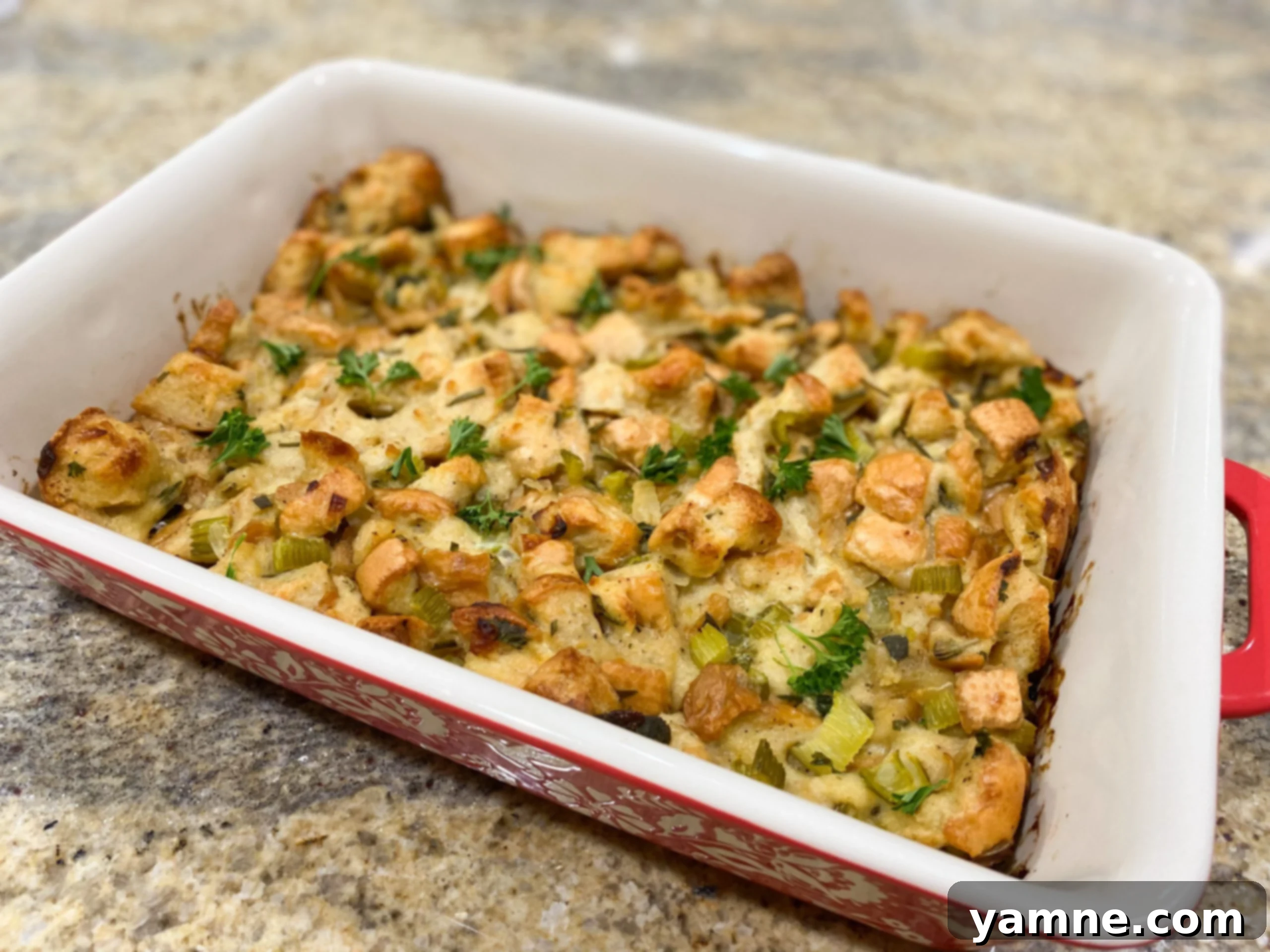
There’s nothing quite like the aroma of a classic Thanksgiving stuffing baking in the oven. This timeless side dish, steeped in tradition and rich with savory herbs, is more than just a culinary accompaniment; it’s the very essence of holiday comfort. Our ultimate traditional Thanksgiving stuffing recipe delivers on every front: a beautifully crisp golden top, a tender and moist interior, and a burst of aromatic flavors that perfectly complement your festive feast. Whether you call it stuffing or dressing, this recipe will become a cherished part of your annual celebration.
Crafted with simple, wholesome ingredients and an abundance of fresh herbs, this recipe captures the authentic taste of generations past. It’s designed to be straightforward yet incredibly flavorful, ensuring even novice cooks can achieve a show-stopping result. Forget dry, bland stuffing; prepare for a side dish that your family and friends will rave about for years to come. Let’s dive into creating a stuffing that truly embodies the spirit of Thanksgiving.
Classic Herb-Infused Thanksgiving Stuffing
Pin Recipe
Comment
Print Recipe
Thanksgiving stuffing holds a special place at the holiday table, often vying for attention with the roasted turkey itself. This recipe focuses on creating a truly memorable stuffing that combines a delightful texture – a crispy, golden-brown crust on top, giving way to a soft, moist, and herb-infused interior. The secret lies in a few key techniques and the generous use of fresh aromatic herbs, which are the true stars of this dish. From the moment the French bread begins to toast to the final golden bake, your kitchen will be filled with the irresistible scents of a classic holiday.
Our goal is to elevate this beloved side dish from merely good to absolutely unforgettable. By understanding the role of each ingredient and following our precise steps, you’ll achieve a stuffing that is perfectly balanced in flavor and texture. No dry crumbs, no soggy bottom – just pure, comforting perfection. This recipe is an ideal choice for your holiday spread, offering a comforting and flavorful counterpoint to the richness of other festive dishes. It’s truly a must-make for any traditional Thanksgiving celebration.
Why This Traditional Stuffing Recipe is Your Holiday Go-To
- Unbeatable Flavor Profile: A harmonious blend of savory onions, crisp celery, and a generous medley of fresh herbs like parsley, sage, rosemary, and thyme creates a deep, complex flavor that is unmistakably Thanksgiving.
- Perfect Texture: Achieving that coveted balance between a beautifully browned, slightly crispy top and a wonderfully moist, tender interior is key. Our method ensures your stuffing is never dry or gummy.
- Simple Yet Sophisticated: While the result is impressive, the steps are straightforward. We guide you through drying the bread, sautéing aromatics, and combining everything to perfection.
- Crowd-Pleasing Side: This classic recipe is a universal favorite, designed to satisfy everyone at your holiday gathering, from the pickiest eaters to the most discerning foodies.
- Make-Ahead Friendly: Much of the preparation can be done in advance, easing your workload on a busy Thanksgiving day.
Essential Ingredients and Their Role
Each component in this traditional stuffing plays a crucial part in achieving its iconic flavor and texture:
- Unsalted Butter: The foundation of our savory base. Butter sautés the vegetables, infusing them with richness and helping to brown them beautifully, which adds depth of flavor.
- Day-Old French Bread: This is arguably the most important ingredient. Using slightly stale bread is key because it readily absorbs the flavorful liquid without becoming soggy. French bread provides a sturdy crumb that holds its shape well and offers excellent texture once baked. Cut into ½-inch cubes, it ensures even drying and absorption.
- Yellow Onion & Celery: These classic aromatics are sautéed until softened and slightly caramelized, forming the savory backbone of the stuffing. Finely dicing them ensures they meld seamlessly into the mixture.
- Fresh Italian Parsley, Sage, Rosemary, and Thyme: The quintessential herb blend for Thanksgiving. Using fresh herbs is highly recommended as they provide a vibrant, more potent flavor compared to dried herbs. Minced finely, they distribute their aromatic essence throughout the stuffing.
- Salt & Pepper: Essential seasonings that enhance and balance all the other flavors. Adjust to your taste, but don’t skimp on them as they bring the dish to life.
- Low-Sodium Chicken Broth: The primary liquid that moistens the bread and infuses the stuffing with savory flavor. Using low-sodium broth gives you better control over the overall saltiness of the dish.
- Large Eggs: Act as a binder, helping to hold the stuffing together and contributing to its moist, cohesive texture. They prevent the stuffing from becoming too crumbly.
Choosing high-quality, fresh ingredients will undoubtedly elevate the taste of your homemade stuffing to new heights. The combination of these elements creates a symphony of flavors that is truly comforting and celebratory.
Ingredients for the Perfect Stuffing
- ½ cup unsalted butter
- 1 pound one or two day old french bread, cut into 1/2 inch cubes
- 1 large yellow onion, diced finely
- 1 ½ cup celery, sliced thin
- 4 tbs Italian parsley leaves, minced finely
- ¼ cup fresh sage leaves, minced finely
- 3 Tbs fresh rosemary, minced finely
- 2 Tbs fresh thyme, minced finely
- 1 tsp salt
- 1 tsp pepper
- 2 ½ cups low-sodium chicken broth
- 2 large eggs
Step-by-Step Instructions for the Best Stuffing
Preparing the French Bread Base
- Dry the Bread: Preheat your oven to 250℉ (120°C). Arrange the cubed French bread pieces in a single layer on a large baking sheet. Bake for approximately 45-55 minutes, stirring the bread every 15 minutes, until the cubes are completely dry and slightly golden. This crucial step prevents soggy stuffing, allowing the bread to absorb the liquids without turning mushy.
Assembling and Baking Your Stuffing
- Prepare the Bread: Once dried, transfer the bread cubes to a very large mixing bowl. Set aside.
- Preheat Oven & Prepare Dish: Increase the oven temperature to 350℉ (175°C). Lightly grease a 9×13 inch baking dish with butter or cooking spray and set it aside.
- Sauté Aromatics: In a large saucepan or Dutch oven, melt the ½ cup unsalted butter over medium heat. Once melted, add the finely diced yellow onions and thinly sliced celery. Cook, stirring occasionally, for about 10 minutes until the vegetables are softened and begin to take on a light golden-brown color. This caramelization adds a deep, savory base to your stuffing.
- Combine with Bread: Transfer the sautéed onion and celery mixture into the large bowl with the dried bread cubes.
- First Broth & Herb Mixture: Pour 1 ¼ cups of the low-sodium chicken broth over the bread and vegetable mixture. Add all the finely minced fresh herbs: Italian parsley, sage, rosemary, and thyme, along with the salt and pepper. Mix everything thoroughly until the bread cubes are evenly coated and the herbs are well distributed.
- Egg & Remaining Broth: In a separate smaller mixing bowl, whisk together the remaining 1 ¼ cups of chicken broth with the 2 large eggs until well combined. Pour this liquid over the bread mixture and mix gently but thoroughly. Ensure all the bread cubes are moistened. This egg mixture helps bind the stuffing together and adds to its rich texture.
- Transfer and Bake: Spoon the entire stuffing mixture into the prepared 9×13 inch baking dish, spreading it evenly.
- Bake in Two Stages: Bake the stuffing, covered with aluminum foil, for 40 minutes. This traps moisture and ensures the interior cooks through evenly. After 40 minutes, remove the foil and continue baking for an additional 45 minutes, or until the top is beautifully golden brown and crispy. This two-stage baking ensures a moist interior and a desirable crisp exterior.
- Serve and Enjoy: Remove from the oven and let it rest for a few minutes before serving warm. Garnish with a sprig of fresh rosemary or parsley, if desired.
Watch the Recipe Video
Tips for the Most Flavorful Thanksgiving Stuffing
- Don’t Skip Drying the Bread: This is paramount for texture. Soggy bread means soggy stuffing. If you’re short on time, you can cut the bread cubes a day or two in advance and let them air dry on a baking sheet on your countertop.
- Fresh Herbs Make a Difference: While dried herbs can be used in a pinch (use about one-third the amount of fresh), fresh herbs provide a brighter, more aromatic flavor that truly elevates this dish.
- Taste as You Go: Especially with salt and pepper, season lightly and then taste the mixture before adding the eggs. You can always add more, but you can’t take it away.
- Achieve the Perfect Moisture: The stuffing mixture should be moist but not swimming in liquid. If it seems too dry, add a little more broth, a tablespoon at a time, until it reaches the right consistency. Conversely, if it feels too wet, gently mix in a few more dried bread cubes.
- Don’t Overcrowd the Pan: For the best results and a crispy top, use a baking dish that allows the stuffing to spread out rather than being too deep. This encourages even baking and browning.
- Customize Your Herbs: Feel free to adjust the proportions of herbs to your liking. Love sage? Add a little more! Prefer less rosemary? Scale it back.
Delicious Variations and Customizations
While this traditional recipe is perfect as is, you can easily customize it to suit your preferences or to use up ingredients you have on hand:
- Add Sausage: Brown 1 pound of breakfast sausage (mild or spicy) and drain the fat before adding it to the onion and celery mixture. This adds a hearty, savory depth.
- Mushroom Mania: Sauté 8 ounces of sliced mushrooms (cremini or button) with the onions and celery for an earthy flavor boost.
- Sweet & Savory: Introduce diced apples (Granny Smith or Honeycrisp work well) and dried cranberries for a touch of sweetness and tartness.
- Nutty Crunch: Add ½ to 1 cup of chopped toasted pecans or walnuts for extra texture and flavor.
- Cornbread Stuffing: Replace the French bread with cubed, day-old cornbread for a Southern-inspired twist.
- Vegetarian Option: Use vegetable broth instead of chicken broth for a delicious vegetarian version.
- Spice It Up: A pinch of red pepper flakes or a dash of cayenne pepper can add a subtle kick.
Make-Ahead Instructions and Storage Tips
- Make Ahead: You can prepare the stuffing mixture (combining all ingredients except for the eggs and final broth addition) up to one day in advance. Store it covered in the refrigerator. On Thanksgiving day, whisk in the eggs and remaining broth just before baking. This helps prevent the bread from becoming overly saturated and mushy.
- Storage: Leftover stuffing can be stored in an airtight container in the refrigerator for up to 3-4 days.
- Reheating: To reheat, cover the stuffing with foil and bake at 325℉ (160°C) until warmed through, about 20-30 minutes. For a crisper top, remove the foil for the last 5-10 minutes.
Frequently Asked Questions About Stuffing
- What kind of bread is best for stuffing?
- Day-old French bread, sourdough, or challah are excellent choices because they have a good crumb structure that absorbs moisture without falling apart. Avoid very soft sandwich breads.
- Can I use dried herbs instead of fresh?
- Yes, you can. As a general rule, use about one-third the amount of dried herbs compared to fresh. For this recipe, you might use 1 tablespoon dried parsley, 1 teaspoon dried sage, 1 teaspoon dried rosemary, and ½ teaspoon dried thyme. Taste and adjust.
- My stuffing is too dry/soggy. What went wrong?
- Too dry often means not enough broth or insufficient mixing. Too soggy means too much liquid, or the bread wasn’t dried enough. Always ensure your bread is properly dried before adding liquid.
- Can I bake stuffing inside the turkey?
- While traditionally done, it’s generally recommended to bake stuffing separately for food safety reasons (to ensure it reaches a safe internal temperature of 165°F/74°C). Baking separately also yields a superior texture with a crispy top.
- How do I get a crispy top on my stuffing?
- The two-stage baking method (covered then uncovered) is key. Removing the foil for the last portion of baking allows the top to dry out and brown beautifully. A little extra butter drizzled on top before the final uncovered bake can also help.
Nutrition Information (Per Serving)
Nutrition information is automatically calculated, so should only be used as an approximation.
We hope this detailed guide helps you create the most incredible traditional Thanksgiving stuffing for your holiday table. It’s a dish that truly brings warmth and flavor to any festive gathering, and we’re confident that this recipe will become a cherished staple in your family’s traditions. Happy cooking, and have a wonderful Thanksgiving!